
August 28, 2026
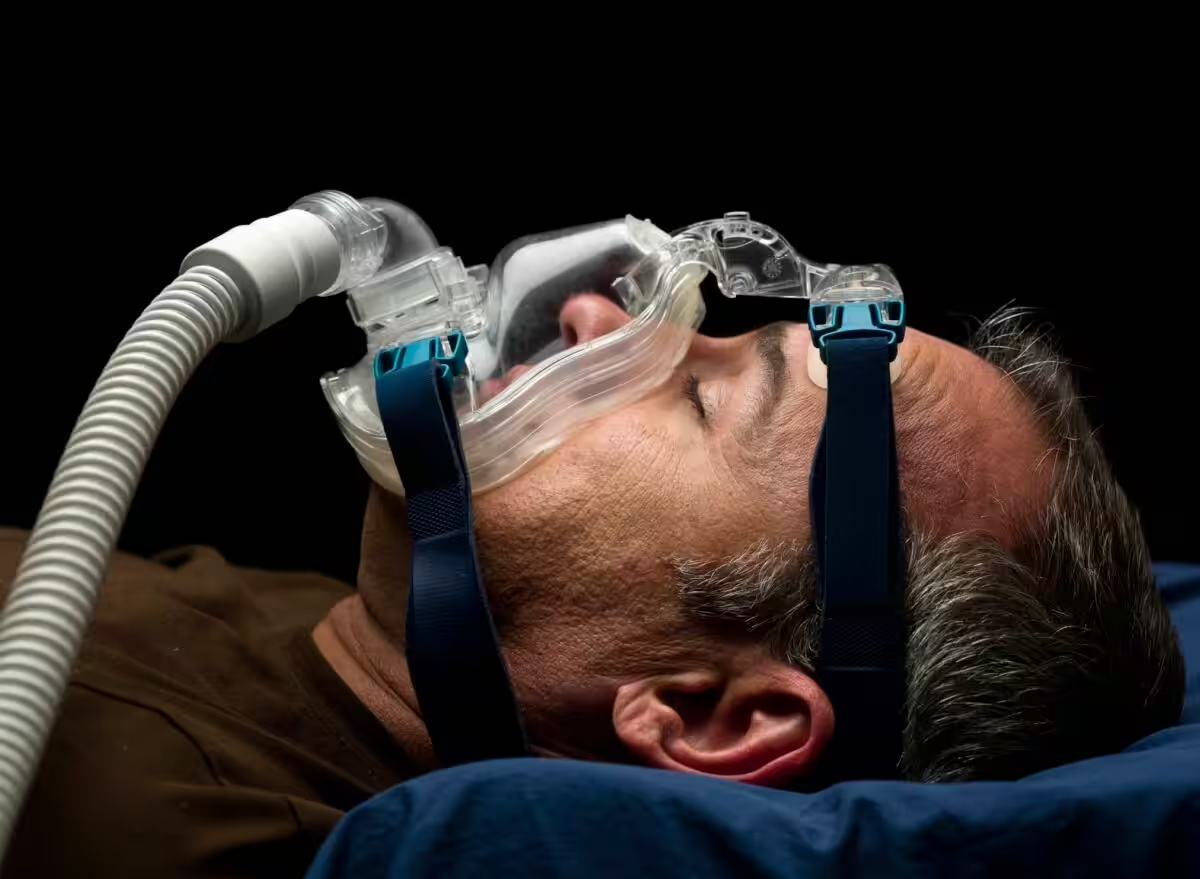
Sleep apnea treatment is a necessity to protect your overall health and wellness. Patients with untreated sleep apnea may experience related disorders including high blood pressure, Type 2 diabetes, heart attack, and stroke. For this reason, if you believe you may have sleep apnea, call us for an evaluation as soon as possible.
Treatment Options for Sleep Apnea
Sleep apnea patients have three treatment options. We will help you choose the proper treatment based on the severity of your symptoms and the presence of health effects. We can collaborate on your sleep apnea treatment with other professionals.
Oral Appliance Therapy
For milder cases of obstructive sleep apnea, a custom-fitted oral appliance that shifts the jaw slightly forward during sleep may be all that is needed to keep the airway open. The oral appliance fits like a mouthguard or retainer. Most patients find that they can easily tolerate wearing it during sleep.
CPAP Treatment
More moderate cases of sleep apnea often benefit from a CPAP machine. The patient wears a breathing mask over their nose and mouth during sleep. The machine blows a constant stream of air into the lungs, keeping the airway open. Some patients have difficulty tolerating the CPAP machine, in which case we would recommend trying an oral appliance.
Surgery
The vast majority of our sleep apnea patients do not require surgery. However, corrective jaw surgery that corrects anatomical differences leading to airway blockage can permanently solve the problem.
Causes of Sleep Apnea Disorders
Obstructive Sleep Apnea
The root cause of this condition is airway blockage during sleep. The airway can become blocked due to many anatomical factors:
- Narrow jaw: If your jaw is too narrow, your tongue may collapse backward into the airway due to a lack of space. This factor is the most common reason we perform corrective surgery for sleep apnea.
- A large tongue or tonsils: If the tongue or tonsils are out of proportion with the airway, blockage can occur.
- Excess body weight, particularly throat tissue: Throat tissue can impinge on the airway, leading to restriction and blockage. Patients who lose weight can sometimes alleviate the condition.
- Alcohol and drug use: Some patients who use alcohol or other depressants experience muscle relaxation during sleep. If the throat muscles relax too much, they can block the airway.
Central Sleep Apnea
The symptoms of central sleep apnea are similar to those of obstructive sleep apnea, but they have a different cause. If you have central sleep apnea, the cause is in your brain, which does not transmit breathing signals to the respiratory system. A sleep study and your neurologist can diagnose this issue.
Types of Sleep Apnea
Obstructive Sleep Apnea
By far the most common type of sleep apnea, obstructive sleep apnea has several symptoms that could be confused with other disorders. However, the longer this condition goes without treatment, the more likely you will develop severe health consequences.
The most prevalent symptoms of obstructive sleep apnea include:
- Pauses in breathing throughout sleep observed by a family member
- Gasping and choking for breath
- Loud snoring that may disturb partners or family members
- Frequent awakenings
- Morning headaches
- Not feeling rested in the morning
- Irritability and other mood changes
- Dip in performance at work and school
Diagnosing Sleep Apnea
A sleep apnea diagnosis begins with reviewing your symptoms, medical history, and oral anatomy. We will assess your risk factors and help you decide on the proper treatment for your condition.
We frequently recommend that you see your primary care doctor and undergo an at-home or laboratory sleep study to confirm the diagnosis before moving forward with any treatment option.
Surgical Treatment for Sleep Apnea
We provide orthognathic (jaw) surgery to alleviate sleep apnea symptoms. During orthognathic surgery, we move the lower jawbone, secure it with screws or pins, and allow it to heal in a wider configuration. After healing, you will have a wider airway and should experience no further symptoms.
Frequently Asked Questions About Sleep Apnea Treatment
Which health conditions can arise due to untreated sleep apnea?
The major medical issue associated with sleep apnea is that it creates an oxygen debt (hypoxia) in the body during sleep. This oxygen debt leads to a host of conditions, some of which could cause severe illness or death. These problems include:
- Cardiovascular disease (heart attack, stroke)
- Metabolic disease (Type 2 diabetes)
- Dry mouth leading to a higher chance of tooth decay and gum disease
- Lack of proper rest leading to a higher risk of accident and injury, especially behind the wheel
- Irritability, mood changes, and depression
Is loud snoring always a sign of obstructive sleep apnea?
Not always. Some patients who snore have no other signs of sleep apnea. Oral appliances for snoring prescribed by a dentist can help patients overcome this issue.
What if I tried CPAP and oral appliances to help with my obstructive sleep apnea, but it did not work for me?
You may be a candidate for surgery. We will evaluate the condition of your jaw and let you know whether orthognathic surgery or another treatment could help you.
How does a dry mouth cause tooth decay and gum disease?
When you sleep with your mouth open, saliva cannot perform its function to keep your mouth clean and reduce bacteria. These bacteria and food particles gather around the teeth, where they cause cavities and gum disease.
How does a lack of oxygen cause health problems?
When a proper amount of oxygen does not flow through the bloodstream, many bodily processes become disrupted. Your cells cannot perform their function without enough oxygen in your system.
At Northern Virginia Oral Surgery Center, we want to help you overcome sleep apnea symptoms and get back to a good night’s rest. We would gladly schedule a consultation to start the process. Get in touch with us today to learn more!