September 22, 2026
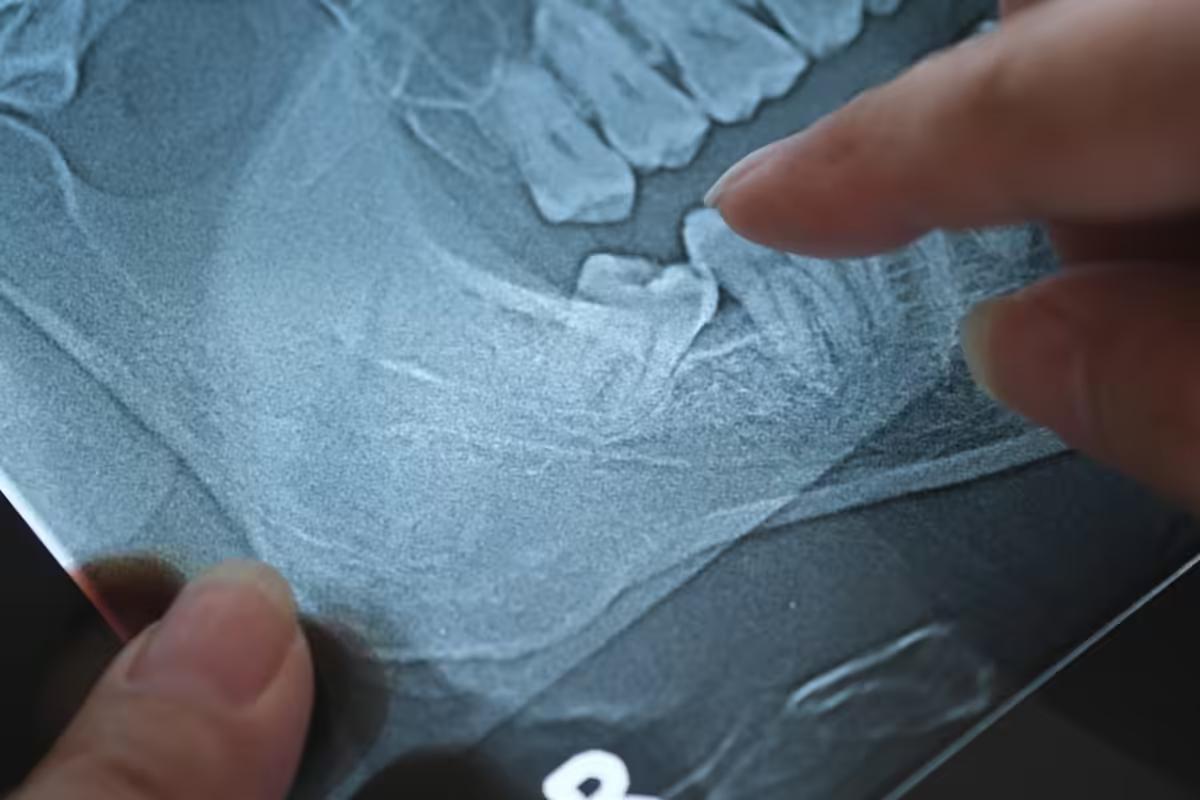
Wisdom teeth are the last permanent teeth to develop, generally making their grand appearance between the ages of 17 and 25. For some people, these third molars grow in normally and cause no problems. For others, however, there simply isn't enough room for them to erupt properly. The result? Impaction, infection, pain, and damage to surrounding teeth.
If you have been advised that you need wisdom tooth removal, don’t delay. Here’s what could happen if you do.
Increased Risk of Infection
One of the most common concerns with problematic wisdom teeth is infection. When they are partially erupted or impacted, these molars can create the perfect hiding space for bacteria, food particles, and plaque.
Located in the far corners of the mouth, these areas are difficult to clean, making it easy for inflammation and infection to develop around the tooth. In time, this can lead to pain, swelling, bad breath, and even more urgent medical treatment.
Damage to Nearby Teeth
A wisdom tooth does not always grow straight, especially when there isn't enough room. They often grow impacted or at an angle toward the other teeth. This pressure can damage the neighboring tooth.
Impacted wisdom teeth can also make it more difficult to keep the area clean, putting you at risk for gum disease and other oral health issues.
More Difficult Extraction
Waiting can sometimes make wisdom tooth removal more complicated. With age, wisdom tooth roots become longer and more developed, and the surrounding jawbone becomes denser. These changes make surgical removal more challenging.
This does not mean you need to have your wisdom teeth removed immediately. But the longer you wait, the greater your chance of a more complex extraction.
Do Not Wait Until It Hurts
Many patients think, if it doesn’t hurt, why the urgency? Pain isn’t always the first sign that a wisdom tooth is causing a problem. By the time symptoms start to develop, infection, decay, or damage may already be present.
Our board-certified oral and maxillofacial surgeons provide personalized wisdom teeth care focused on comfort and long-term health. When you are ready to have your wisdom teeth removed, so are we.
Frequently Asked Questions
Do all wisdom teeth need to be removed?
No. Wisdom teeth that are healthy, fully erupted, and have enough space may not need to be removed. We will evaluate your teeth and recommend treatment based on your individual situation.
Can wisdom teeth cause problems even if they don’t hurt?
Yes. Impacted or partially erupted wisdom teeth may not cause noticeable symptoms, as they create conditions that increase the risk of infection, gum disease, and damage.
Is it too late to have my wisdom teeth removed as an adult?
No. Adults can have wisdom teeth removed when necessary. However, removal can become more difficult as the roots grow and the surrounding bone becomes more dense. If possible, it is best not to wait.
What are the signs that a wisdom tooth may be causing a problem?
Common warning signs that your wisdom tooth requires attention include pain or tenderness in the back of the mouth, swollen or irritated gums, bad breath, difficulty opening your mouth, and swelling around the jaw. Keep in mind that some wisdom teeth cause no symptoms, making routine dental examinations very important.
How do I know if I need wisdom teeth removal?
The best way to know whether wisdom tooth removal is right for you is through an examination and X-rays. We can get a clear picture of your teeth and surrounding structures and make a determination.
At Northern Virginia Oral Surgery Centers, we provide comprehensive oral and maxillofacial surgery with a patient-centered approach. If you have been told you need your wisdom teeth removed or you are concerned that delaying treatment may be affecting your oral health, contact us today to schedule a consultation.