
August 31, 2026
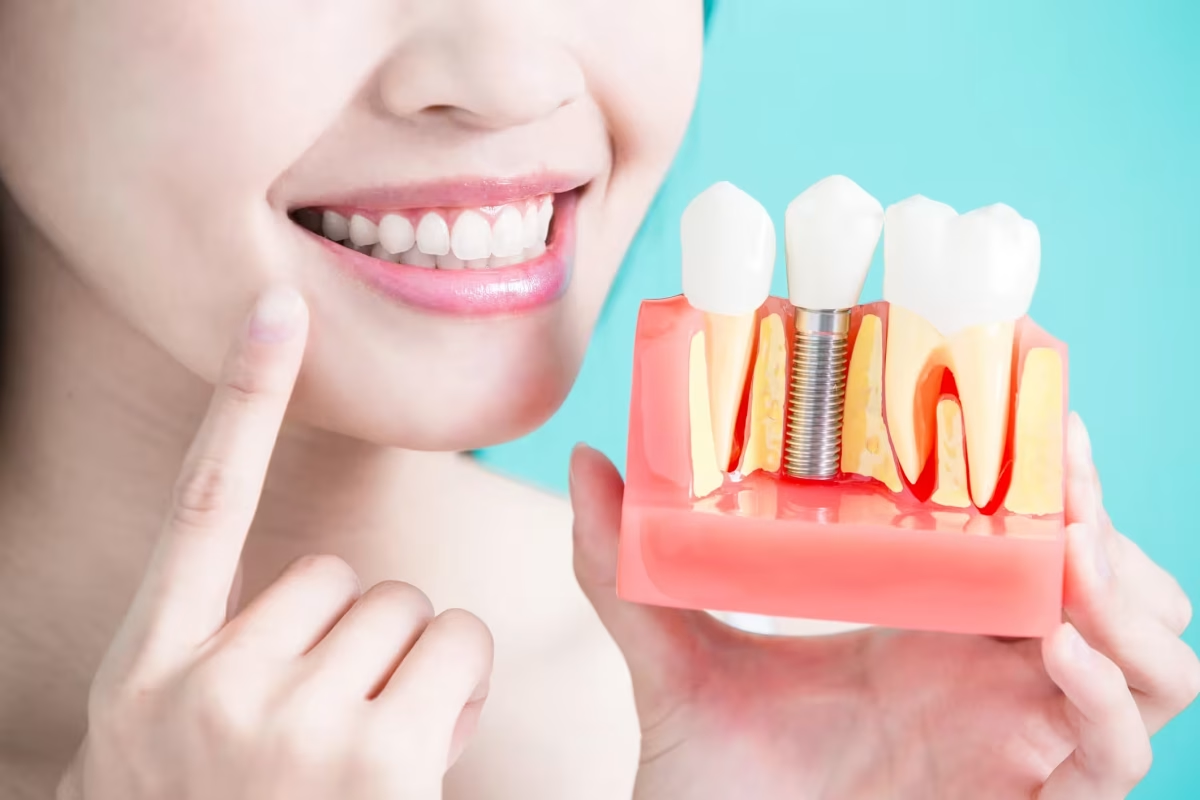
While dental implants have a very high success rate among healthy patients with excellent oral hygiene, problems can occur. Certain medical conditions like cancer and uncontrolled diabetes, a lack of proper hygiene, and tobacco use are three of the most common reasons for dental implant failure.
In this article, we will examine these three circumstances in depth, explaining how they could contribute to dental implant failure and how you can protect your investment.
Medical Conditions That Could Cause Implant Failure
We always decide who is eligible for dental implants on a case-by-case basis, but these three issues are among the most common we see:
Uncontrolled Diabetes
Patients with well-controlled diabetes can receive dental implants with an expectation of success. However, if your blood sugar is unregulated, you may experience significant delays in healing.
Diabetes makes it challenging for your immune system to fight infection. This problem can lead to peri-implantitis. With peri-implantitis, the tissue supporting your dental implants becomes inflamed to the point where it causes bone loss.
Hyperglycemia (high blood sugar) also interferes with the creation of new bone tissue, preventing the implant anchor and jawbone from bonding in a unique process called osseointegration. Without proper osseointegration, the implant will not stay in place and could become loose or fall out.
Lastly, diabetic patients whose condition is not under control frequently have poor blood circulation, further slowing healing. Poor circulation is also the root cause of many other conditions related to diabetes.
Cancer
Cancer also interrupts the healing process, making it difficult to recover from dental implant surgery. The success of your dental implants depends on the type of cancer you have, what treatments you are undergoing, and the condition of your jawbone. Chemotherapy and radiation can make healing significantly slower. In some cases, we will approve you for dental implant surgery and keep a close watch on your progress.
Autoimmune Disorders
Many patients with autoimmune disorders like multiple sclerosis, lupus, and rheumatoid arthritis can undergo the implant process and achieve success. However, certain medications taken for these disorders could stand in the way of the healing process. If too much inflammation is present in the body, bone density could be compromised.
Lack of Proper Oral Hygiene
Successful healing relies on proper hygiene. When patients neglect brushing and flossing, they are significantly more likely to experience problems like tooth decay and gum disease, both of which can complicate the dental implant process.
If you do not keep your dental implants and the area around them scrupulously clean, you could develop an inflammatory condition called peri-implantitis. Peri-implantitis is one of the most common causes of implant failure in otherwise healthy patients.
Tobacco Use
If you want dental implants, it is in your best interest to stop using any type of tobacco before surgery. Nicotine, the active ingredient in tobacco products, can prevent proper healing by interfering with blood flow. With insufficient blood flow, your gums will not heal well, often causing implant loss.
Learn How to Protect Your Dental Implants From Failure
We understand that dental implants represent a significant investment in your time and money, and we want to do everything we can to ensure they succeed. If you have any of these conditions, we would gladly walk you through any health and lifestyle changes you would need to make to move forward with surgery. If successful dental implant surgery would not be possible with your conditions, we can discuss alternative solutions from your restorative dentist.
Frequently Asked Questions About Dental Implants
How do I know I’m a good candidate for dental implants?
The three primary criteria for successful dental implant surgery are excellent oral hygiene, good oral health and general wellness, and sufficient jawbone density to support the implant anchor. If your jawbone density is insufficient, we can perform a procedure called a dental bone graft before placing your implant anchors.
What is osseointegration and how does it work?
Osseointegration means that the jawbone and your dental implant anchor form a tight bond. Biocompatible materials like titanium and zirconia can form this bond with natural bone. When osseointegration succeeds, the anchor functionally replaces the tooth’s root system and provides the jawbone with natural chewing stimulation to keep it healthy and strong.
How long should I wait after quitting tobacco use to receive dental implants?
A minimum of 2 weeks may be sufficient, but quitting sooner has a host of health benefits in addition to restoring your blood flow and your body’s ability to heal from surgery. If you plan to start using tobacco again after your procedure, waiting a minimum of 2 to 6 months is required.
Can you replace more than one tooth at a time with dental implants?
We have options for multiple missing teeth, including implant-supported bridges and implant-supported dentures. With implant support, your appliances will stay in place better than traditional restorations and protect your oral health at the same time.
At Northern Virginia Oral Surgery Centers, we want to ensure that your dental implants last as long as possible. We can show you how to care for them properly and avoid the circumstances that could lead to failure. Get in touch with us at one of our convenient Northern Virginia locations to learn more.